01. Forbidden Requests
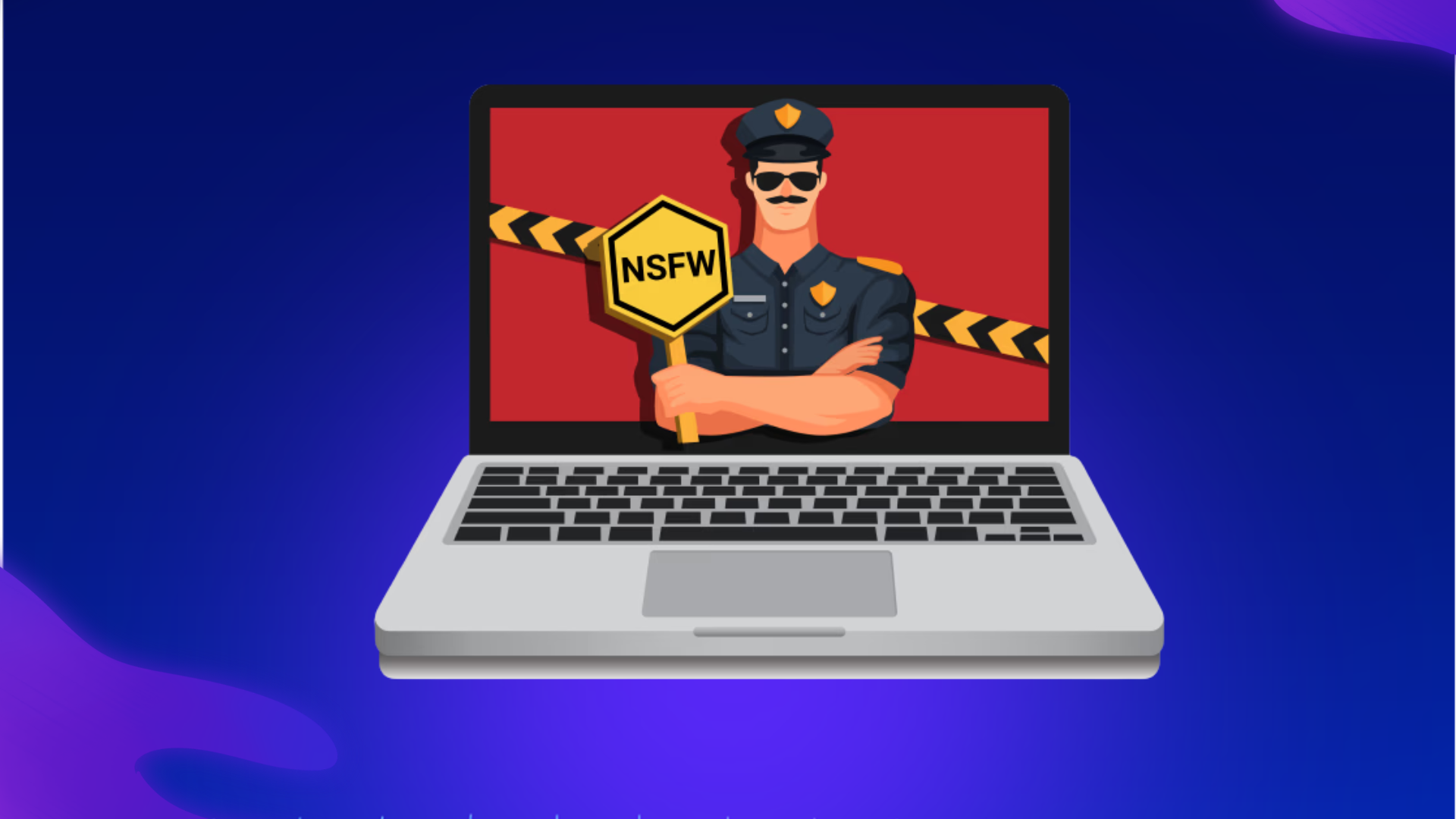
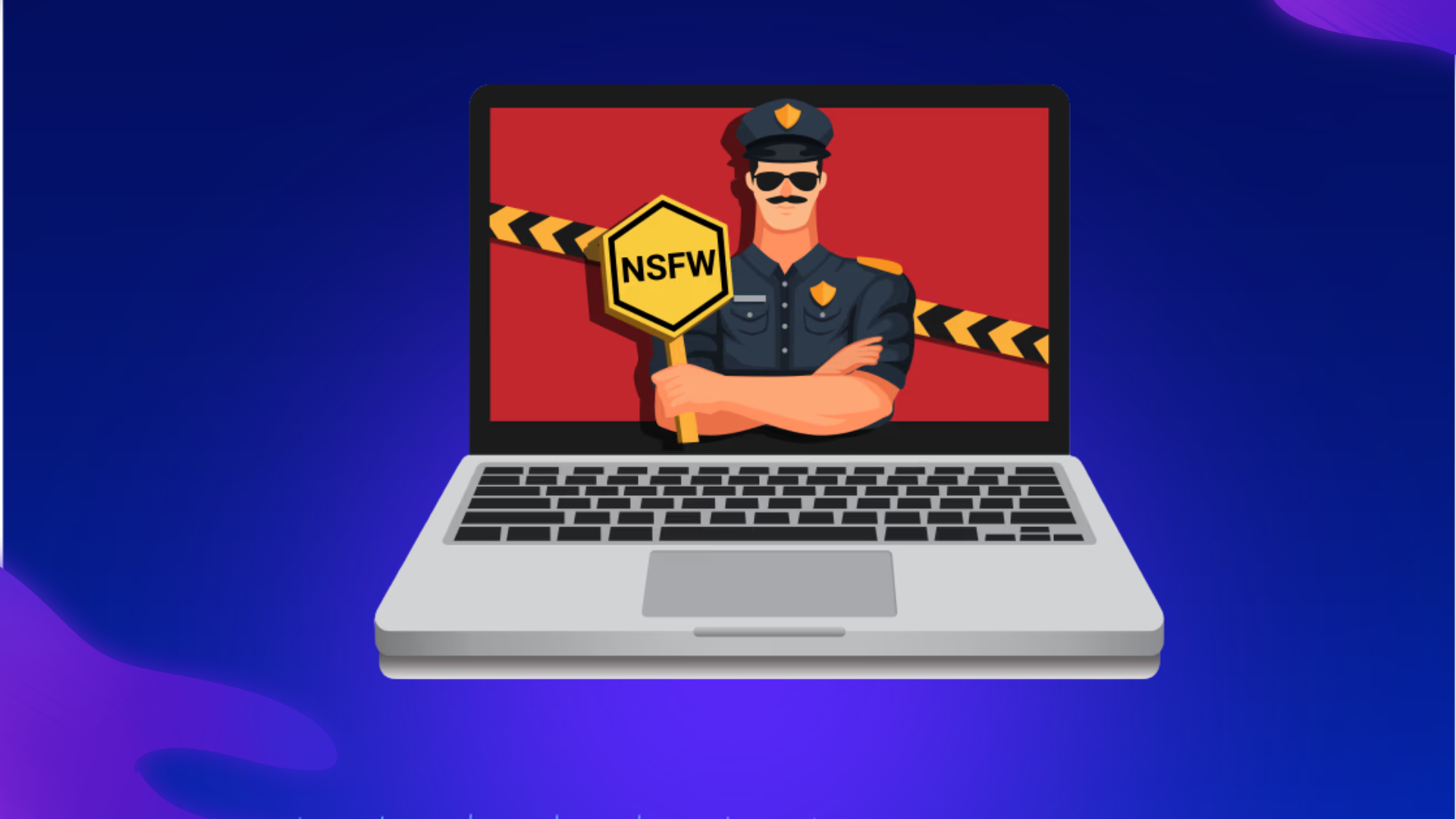
Over the past year, anyone spending time with large language models has likely run into something called a “safety policy.” You type in a prompt—sometimes slightly suggestive, sometimes just visually expressive—and expect a creative output. Instead, you get a refusal message.
It usually looks like this: “Sorry, your request violates our safety policy.”
Whether you use ChatGPT, Gemini, or other major models, the outcome is often the same: the system refuses outright. Even image-generation systems will block violent or adult-themed outputs.
To users, it can feel like going to a high-end restaurant and ordering spicy food, only to be served plain boiled vegetables with the explanation: “For your safety, we do not serve spicy dishes.”
This raises a simple question: why do today’s most powerful AI systems—capable of writing essays, solving math, and generating images—become so restrictive when it comes to NSFW content?
02. Two Worlds: Closed Platforms vs Open-Source Ecosystems
Closed-source commercial models: the “managed theme park”
Think of companies like OpenAI or Google as operators of a massive, carefully managed theme park. They’ve invested enormous resources to build a safe, reliable environment that millions of users can access every day.
Now imagine one visitor suddenly behaves inappropriately in the middle of the park—ignoring rules, exposing themselves, or causing harm to others.
From the operator’s perspective, the response is immediate: remove the user. If they don’t act quickly, regulators may step in, public trust may collapse, and the entire business could be at risk.
This is the reality faced by commercial AI providers. For them, NSFW content is not just a technical issue—it is a legal, reputational, and financial risk.
As a result, most companies adopt a simple strategy: it is better to block too much than to allow something catastrophic through.
Open-source models: the “wild west”
On the other side is the open-source ecosystem (for example, Stable Diffusion and related models). Once model weights are released, anyone can run them locally, modify them, and remove safety filters entirely.
This creates a very different environment—more flexible, more experimental, but also less controlled.
03. How AI Systems Restrict NSFW Content
It is a common misconception that safety is implemented with simple keyword filters, such as:
if (contains_sensitive_words) {
    reject_request;
}
In reality, modern safety systems are layered and much more complex.
Layer 1: Pre-generation filtering
Before a prompt reaches the model, it is often evaluated by a separate moderation system. If the input is flagged as risky, it is blocked immediately and never reaches the main model.
After generation, additional filters may also scan the output before it is shown to the user. If the content is considered unsafe, it is blocked or removed.
This includes detection of nudity, violence, and other sensitive categories.
Layer 2: RLHF (Reinforcement Learning from Human Feedback)
A more important mechanism is RLHF, which aligns the model’s behavior with human expectations.
During training, the model is repeatedly shown examples of responses and ranked by human reviewers. Outputs that violate safety rules receive negative feedback, while safe and appropriate responses are rewarded.
Over time, the model learns to avoid certain patterns. It develops an internal tendency to refuse sensitive requests or respond in a cautious, neutral tone.
04. The Cost of Alignment: “Over-Refusal”
This strict alignment process has a trade-off, often referred to as the “alignment tax.”
To prevent harmful outputs, models are trained to avoid anything that even resembles sensitive content. However, this can also make them overly conservative.
For example, a model might refuse:
- Art references involving nudity, even in historical contexts
- Medical or anatomical discussions that mention violence
- Fictional scenes involving smoking or other risky behaviors
As a result, the system sometimes becomes less flexible and less useful for legitimate creative or educational tasks. This phenomenon is often described as over-refusal.
05. Two Paths: Controlled Systems vs Open Freedom
The AI ecosystem has effectively split into two directions.
Closed systems prioritize safety, compliance, and brand protection. They are tightly controlled, heavily filtered, and designed to minimize risk.
Open-source systems prioritize flexibility and user control. Users can modify models freely, but must also take responsibility for how they are used.
In one case, you are inside a highly regulated environment. In the other, you are effectively operating in an unrestricted computing space.
06. Final Thoughts
The debate over NSFW content in AI reflects a deeper tension: the balance between freedom of expression and societal risk control.
AI systems themselves have no morality. They are statistical models trained on data. What they are allowed to generate is determined entirely by human design choices and policy constraints.
As systems become more powerful, these constraints become stricter—not because the models are “morally aware,” but because the consequences of failure become more serious.
In short: the boundaries of AI reflect the boundaries of society itself.
Future discussions will likely focus not only on what AI can do, but also on how users attempt to bypass these constraints through prompt engineering and “jailbreaking.”
Comments
0 comments